Beyond the NDPP Appointment: What Will It Take to Turn the NPA Around?
The appointment of a National Director of Public Prosecutions is a necessary step — but it is not, on its own, a sufficient one. The NPA’s recovery depends on institutional conditions that outlast any single officeholder: governance arrangements that protect professional decision-making, sustain operational stability, and reinforce integrity across the criminal justice system.
This is the argument at the centre of NSI’s policy brief on the NDPP appointment, and it is the question this webinar is designed to open up.
Event details: Beyond the NDPP Appointment: What Will It Take to Turn the NPA Around?
- Date: Thursday, 26 February 2026
- Time: 12:00–13:00 (SAST)
- Format: Online webinar
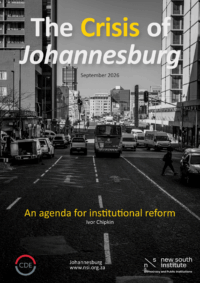
The webinar also draws attention to a related NSI publication that situates the NDPP question within a broader institutional problem. Personalising and De-Personalising Power: The Appointment of Executive Officers in Key State Institutions (Ivor Chipkin, Michelle Le Roux, and Rafael Leite) maps how South African law structures — and often fails to structure — the appointment of executive officers across key state bodies, from the NPA and SAPS to the Reserve Bank and National Treasury.
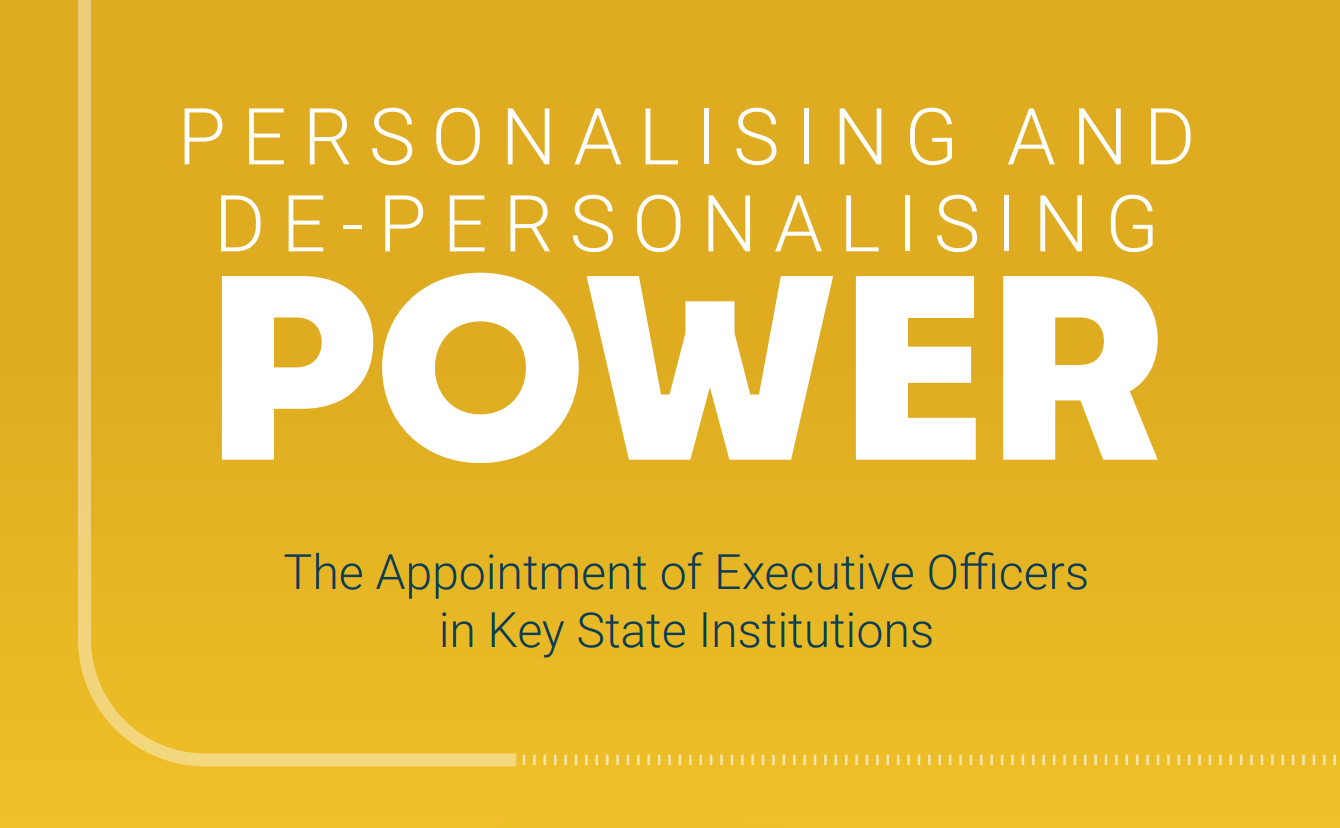
The report proposes a typology of the conditions that shape who gets appointed: polity conditions (the checks and balances embedded in institutional design), political conditions (the coalition and party dynamics that influence decisions), and policy conditions (the competence and implementation demands that an institution actually requires).
Its central argument is that appointment systems in South Africa have tended to privilege political considerations over policy ones, and that stronger systems must consistently test for managerial competence and professionalism — not only integrity — if they are to support capable institutions in practice.
The NPA is one of the clearest cases where this imbalance has had consequences, and the current NDPP process is an opportunity to reflect on what a more durable approach might look like.