Alan Hirsch discusses anti-foreigner mobilisation in South Africa in interview with Nigerian TV channel News Central
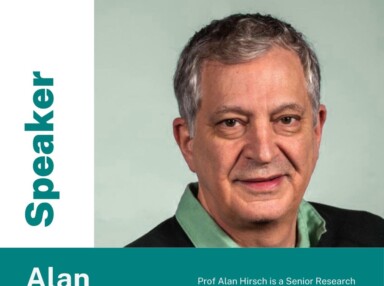
On 12 August 2026, Alan Hirsch, Research Fellow and Head of the New South Institute’s Migration Governance Reform in Africa Programme (MIGRA), joined the Nigerian TV channel News Central for a discussion on the economic, social and regional consequences of rising anti-immigrant sentiment in South Africa. Hirsch is also Emeritus Professor at the University of Cape Town’s Nelson Mandela School of Public Governance.
The interview, which also included Ghanaian economist Nicholas Arthur, took place amid renewed anti-foreigner mobilisation in South Africa and growing concern about its consequences for employment, informal trade, public services and relations between South Africa and other African countries.
Hirsch argued that South Africa’s high unemployment cannot primarily be explained by the presence of migrants. Referring to research by the International Labour Organization and the World Bank, he said the available evidence does not support the general claim that migrants displace South Africans from employment. He also pointed to evidence that migration can contribute to economic growth and job creation. At the same time, he acknowledged why perceptions may differ in poorer townships and informal settlements, where South Africans and migrants often face the same scarcity of employment, housing and public services.
This distinction between public perceptions of migration and the evidence on its economic effects is also a recurring concern of NSI’s Migration Governance Reform in Africa Programme. Led by Hirsch, MIGRA examines how migration is governed in South Africa and across the continent, including the relationship between migration, development and regional integration, as well as the institutional and administrative systems through which migration policy is implemented. The programme assesses existing policies and practices with a view to identifying practical reforms in areas including border management, documentation, migration data and cooperation between African states.
During the News Central discussion, Hirsch also considered the role of migrant workers and traders in South Africa’s informal economy. Informal traders, whether South African or foreign, provide goods and services in many low-income communities. Restricting their activities, he argued, can make access to basic goods more difficult and more expensive for residents who may have to travel further to purchase them.
The conversation then moved from domestic economic pressures to the regional implications of anti-foreigner mobilisation. Hirsch warned that deteriorating relations between South Africa and countries including Nigeria and Ghana could have consequences for both trade and investment. He argued that these relationships matter not only diplomatically, but also for efforts to deepen economic integration across the continent.
This regional dimension is another part of MIGRA’s research agenda. Since the programme began in 2023, its work has examined migration governance in South Africa and other African countries and regions, as well as continental frameworks governing mobility. Recent NSI research has considered, among other issues, the relationship between the African Union’s Free Movement of Persons Protocol, the African Continental Free Trade Area and the movement of people across African borders.
Hirsch placed current tensions within a much longer history of regional labour mobility. South African mines and farms, he noted, have relied on workers from neighbouring Southern African countries for approximately 150 years, while communities across the region have in turn depended on employment in South Africa. For Hirsch, this history means that migration cannot be managed effectively as a national issue alone. He argued for stronger bilateral and regional cooperation, alongside a clearer South African role in addressing shared migration challenges.
The interview also addressed the political context in which migration is being debated. Hirsch argued that political leaders should distinguish legitimate questions about immigration enforcement from broader claims that foreign nationals are responsible for unemployment, housing shortages or weaknesses in public services. In his assessment, these pressures also require attention to economic growth, the capacity of public institutions and the quality of public service delivery.